
AWARDS
The Domestic Photographer Award
.jpeg)
Reason for award
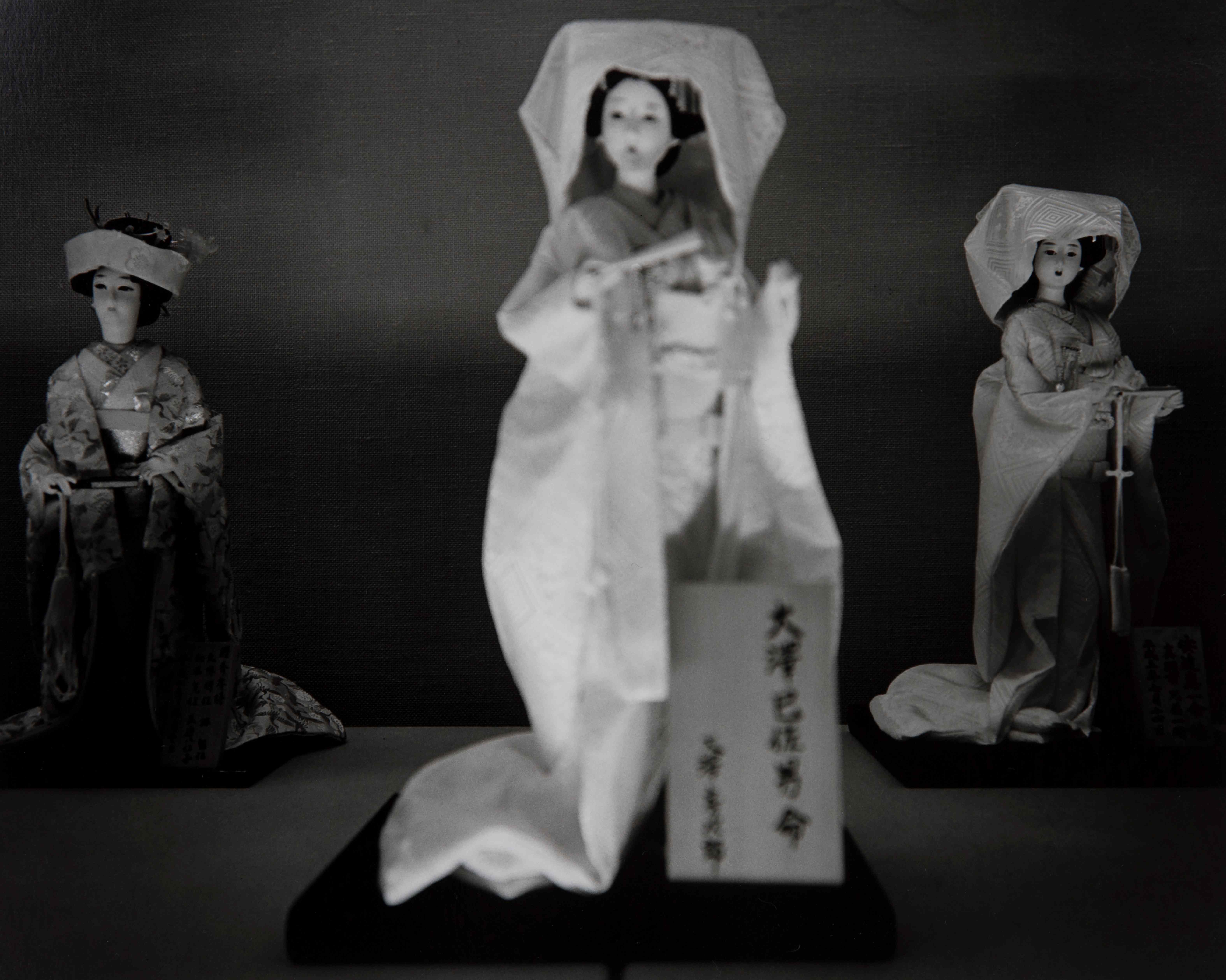
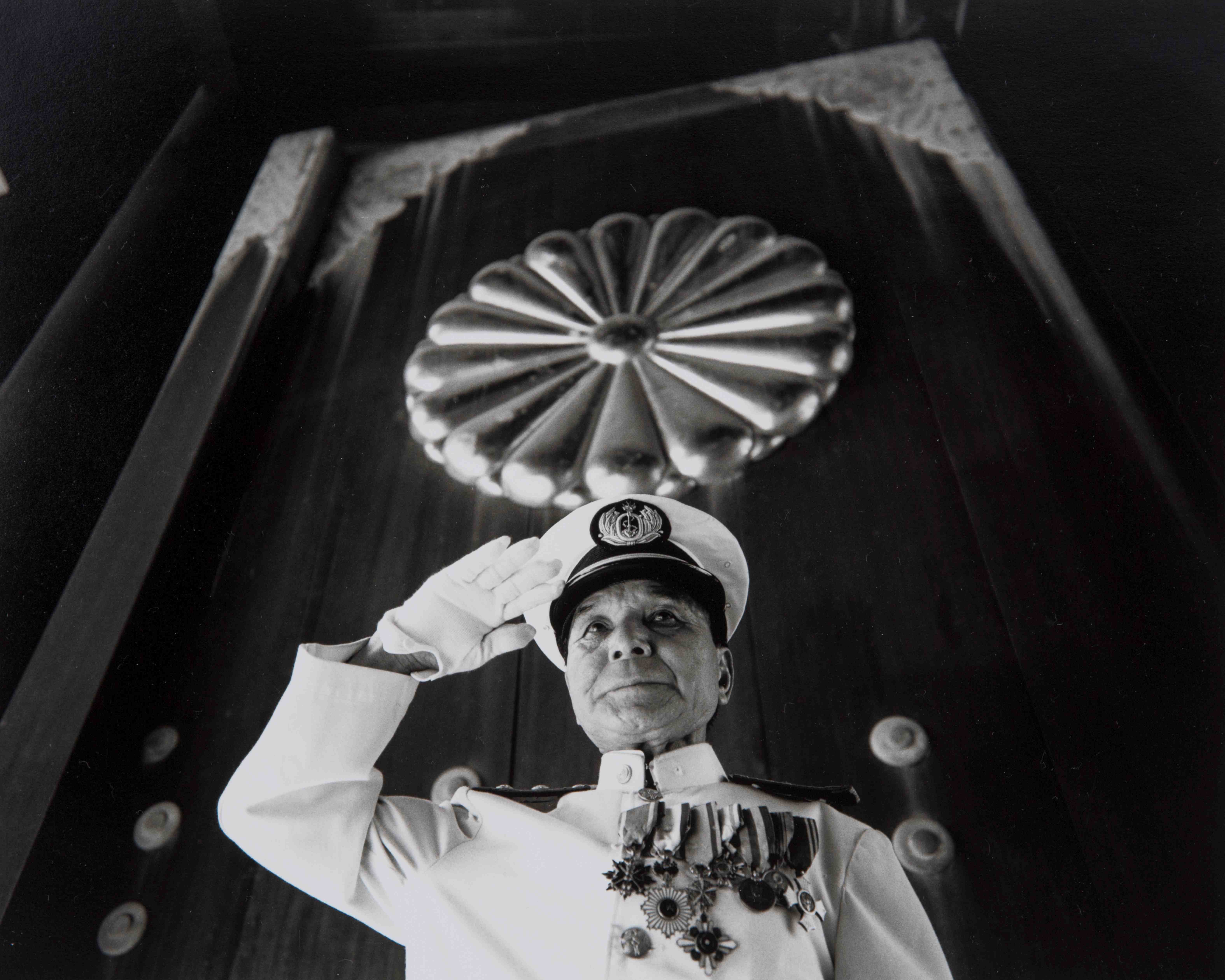
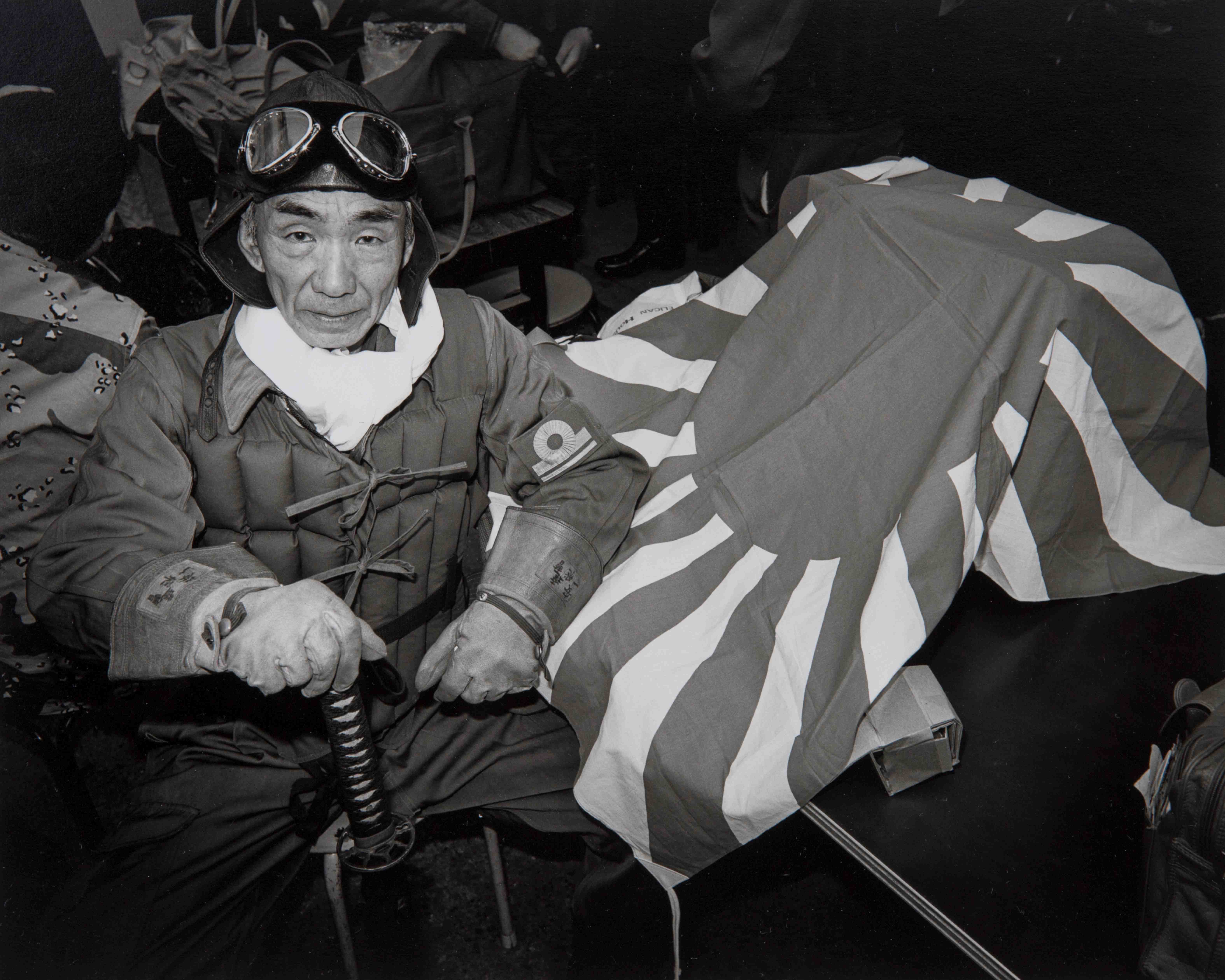
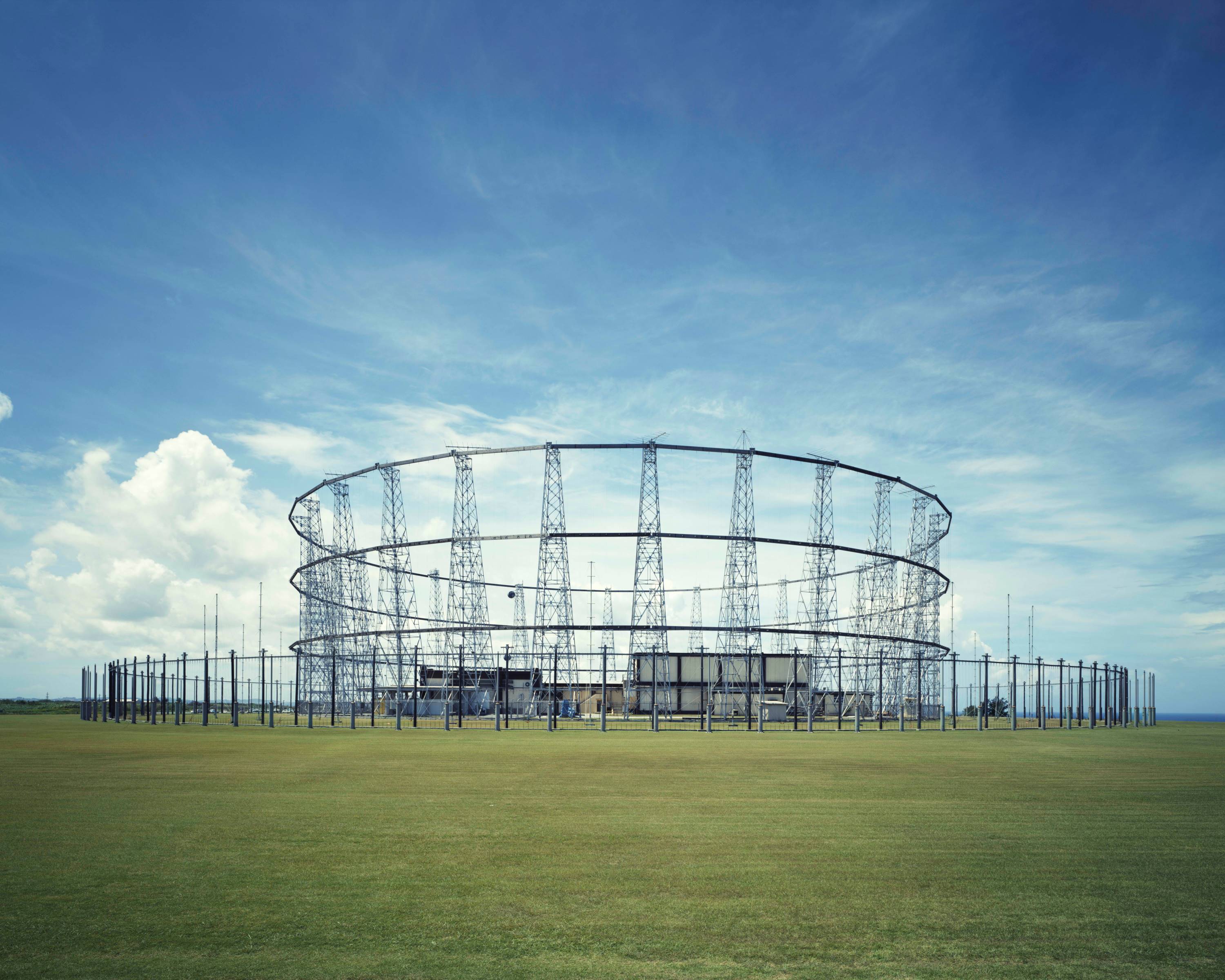
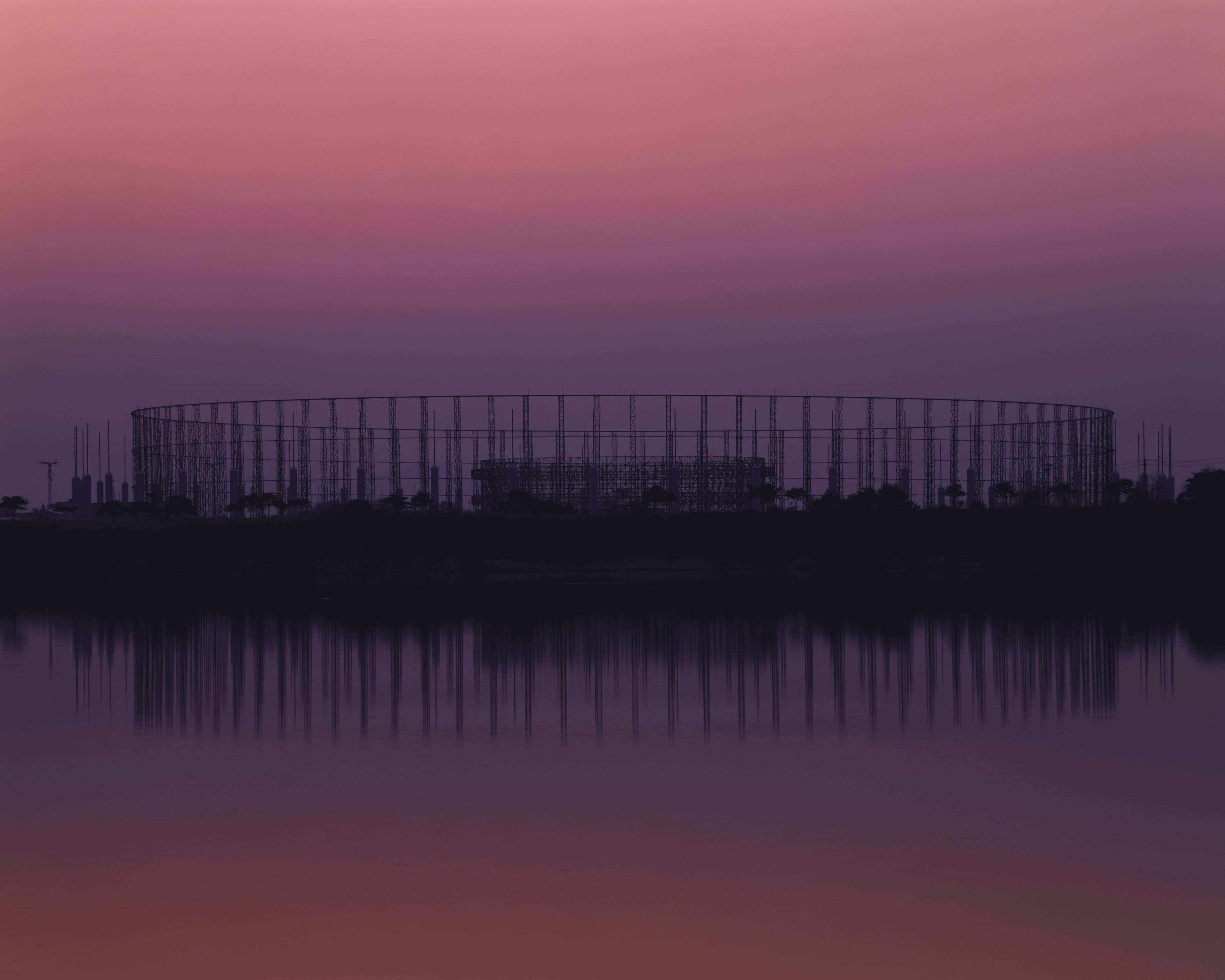
For his exhibition Requiem for the Nation — Yasukuni — (JCII Photo Salon, 2023) and his photobook ZONE (Far East Publishing, 2025).
Born in 1957, in Nagoya City, Aichi Prefecture. He studied in the Department of Industrial Physics at Chubu Institute of Technology until 1977 and then graduated from the Research Department of the Tokyo College of Photography in 1984. In the same year, he released fine monochrome photographs of the Tokyo cityscape, taken with an 8×10-inch camera. Since then, he has photographed subjects related to modern and contemporary Japan – including communication antennas at U.S. military bases in Japan, industrial waste, surveillance cameras scattered throughout cities, and imperial tombs – covering themes such as urban life, the environment, the military, and history in Japan. His recent exhibitions include Crystal of Debris at Canon Gallery S (2020) and INA EIJI: The Photographer as a Silent Observer at Ebara Hatakeyama Museum of Art (2026).
He was awarded the New Photographer Award in 1988; the Honorable Mention in the Leonardo Godowsky, JR. Color Photography Awards in 1998; the Grand Prize of the Photo City Sagamihara in 2009; the Kasseler Fotografie Festival Award in 2008 and 2009. His works are the part of the collections of the Kawasaki City Museum; The National Museum of Modern Art, Tokyo; The Japan Foundation; Tokyo Photographic Art Museum; Higashikawa Bunka Gallery; Kushiro Art Museum, Hokkaido; Fukuoka Art Museum; Meiji Jingu Museum; the National Library of France; Peabody Essex Museum; Philadelphia Museum of Art; Santa Barbara Museum of Art; San Francisco Museum of Modern Art.
<Artist Statements>
I am deeply surprised that ZONE, the series for which I received the New Photographer Award at the Higashikawa Awards 36 years ago, has once again been selected for the Domestic Photographer Award. After receiving the newcomer prize, I continued photographing this series little by little, and in 2025 I published a photobook of the same title with Far East Publishing. Many of the U.S. military antenna facilities included in the book have since disappeared due to the development of satellite communications and internet technologies.
Another work, Requiem for the Nation — Yasukuni —, was also considered for the award. This series documents the people who gather at Yasukuni Shrine on the anniversary of the end of the war—a site that faces annual criticism from other Asian countries over official visits by cabinet members following the enshrinement of Class-A war criminals. I would like to express my sincere gratitude to the JCII Photo Salon for exhibiting a work that raises such sensitive political issues.
Both series share a common concept of reexamining Japan’s postwar history. In an era when the future is increasingly difficult to predict, there may be things we should learn from the past. I am truly grateful for this award, which encourages me to continue my work over the long term.
INA Eiji