
AWARDS
The New Photographer Award
-1.jpg)
Reason for award
For her recent works, including the exhibitions “Words of Light” (Dai-ichi Life Gallery, 2024) and “The Mirror, the Window, and the Telescope” (The Atrium Gallery, Pola Museum of Art, 2024.)
Born in Kanagawa Prefecture. She visited The Gambia from 2006 to 2007 while a university student and began photographing through an internship at the local newspaper The Point. Living under the political circumstances, in a society where freedom of expression was restricted, she encountered realities rendered invisible and came to recognize the significance of engaging with them through photography.
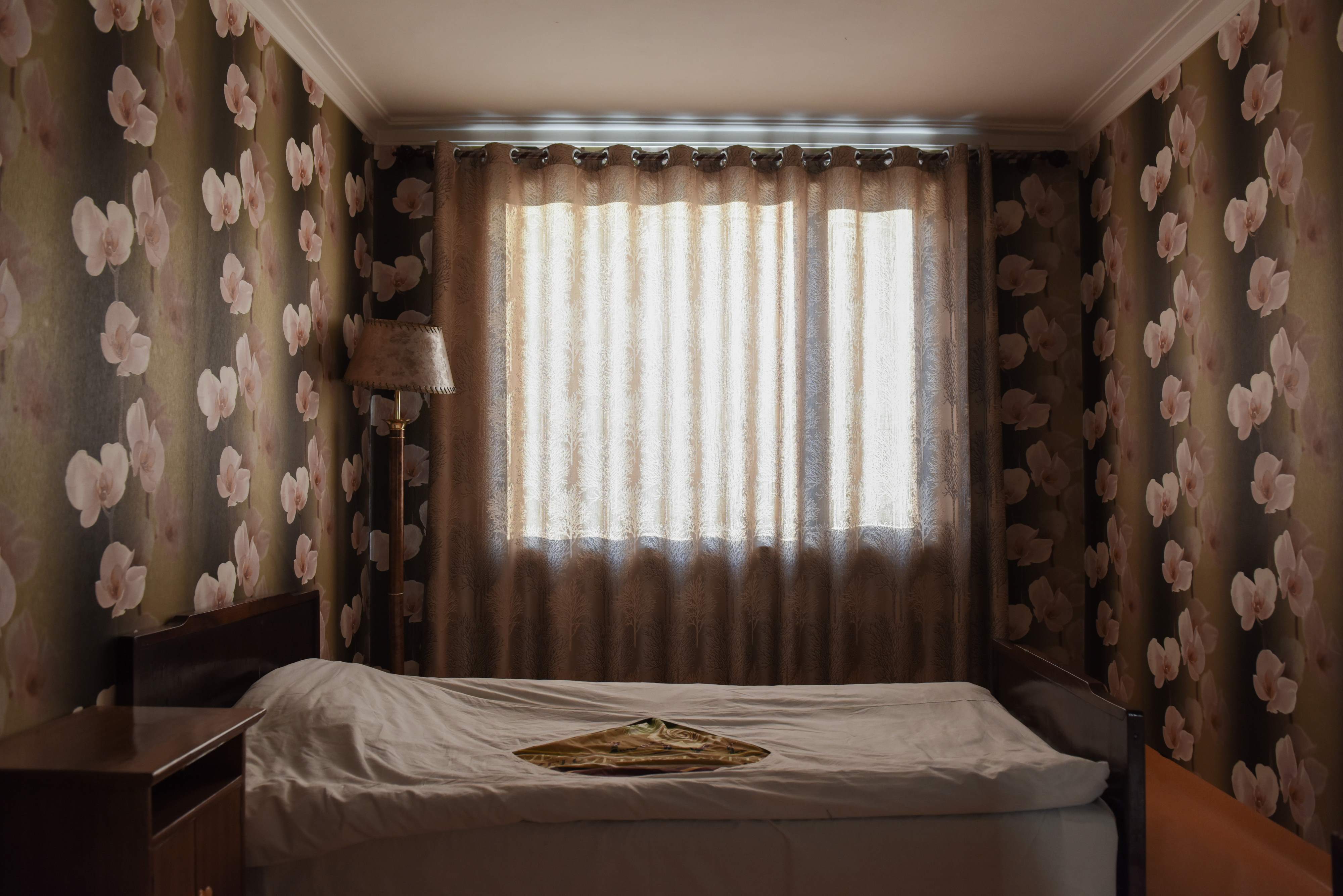
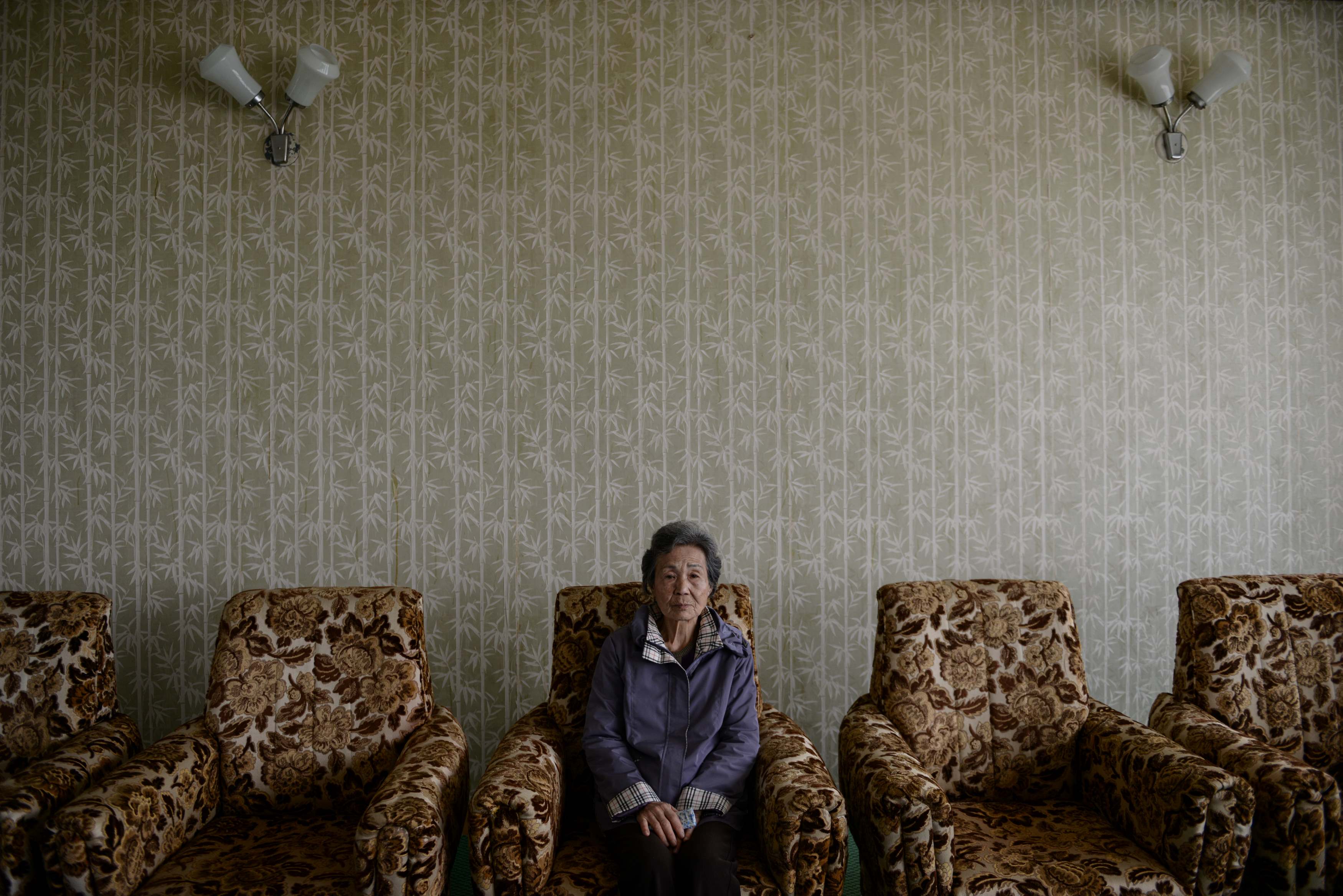
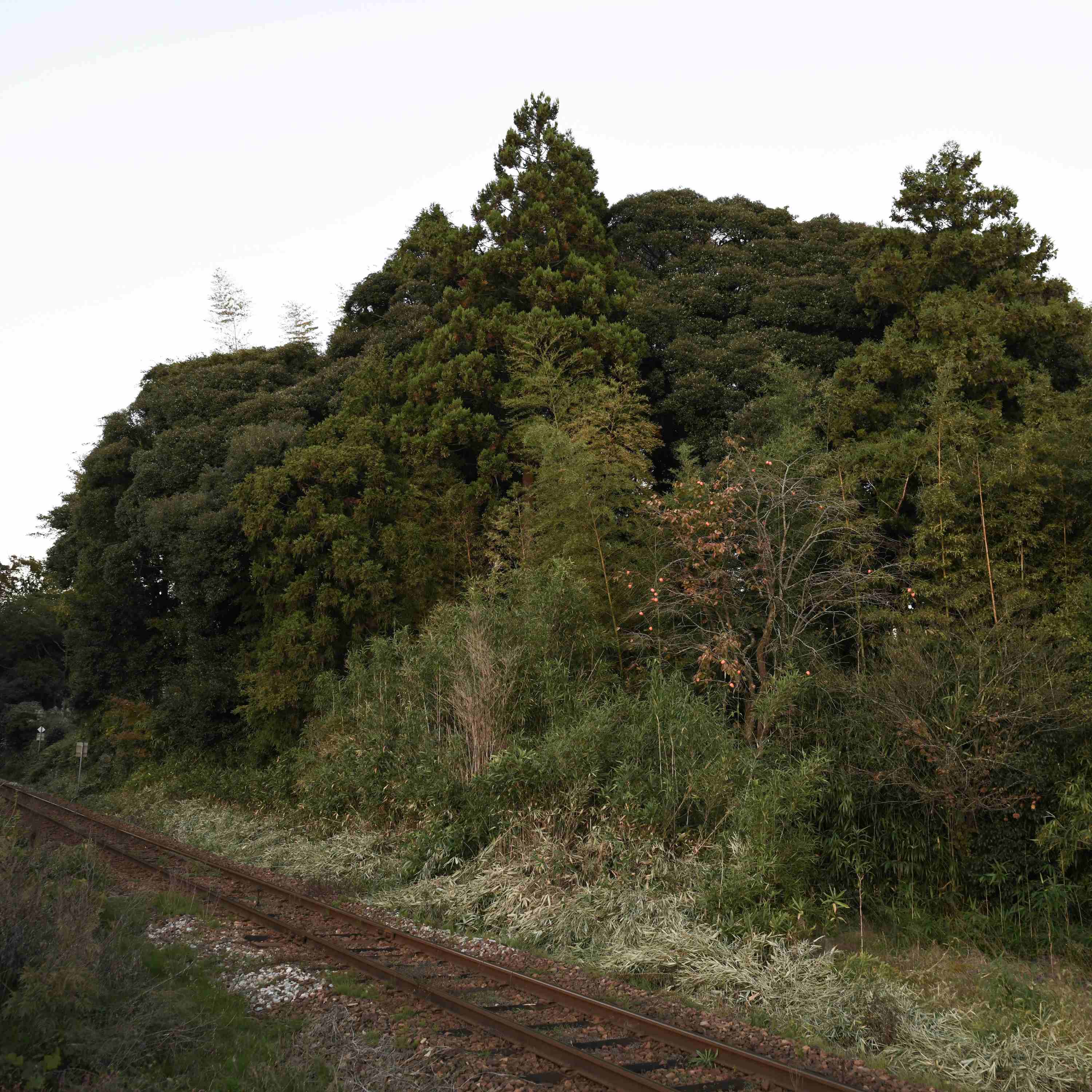
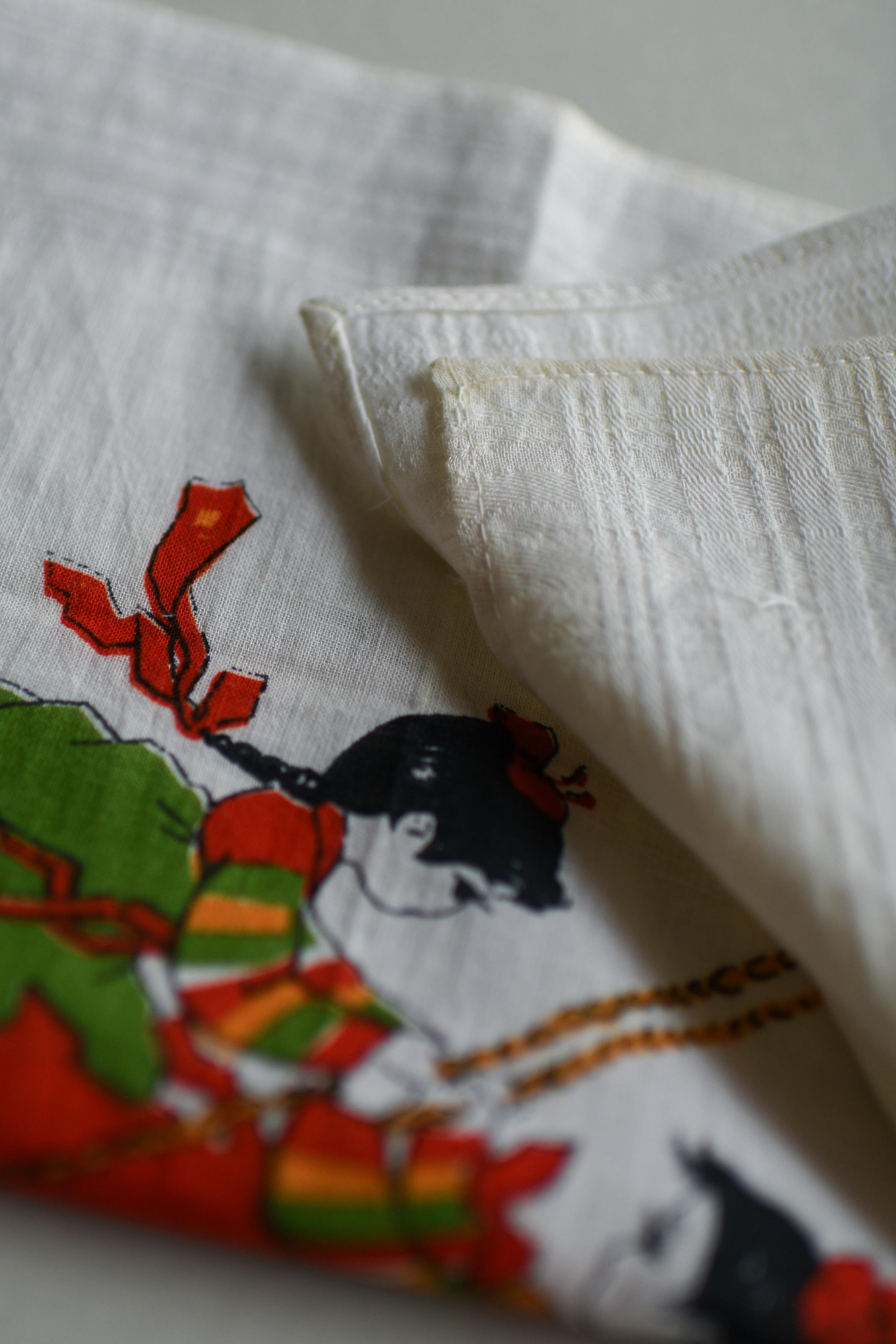
Her photobooks include The Prayer of the Yazidis (AKAAKA), Unholy Matrimony (Nikkei National Geographic), Photo Documentary Human Dignity (Iwanami Shoten). Recently, she has been working on several long-term projects exploring individual identities and memories constructed around the geopolitical boundaries between Japan and North Korea.
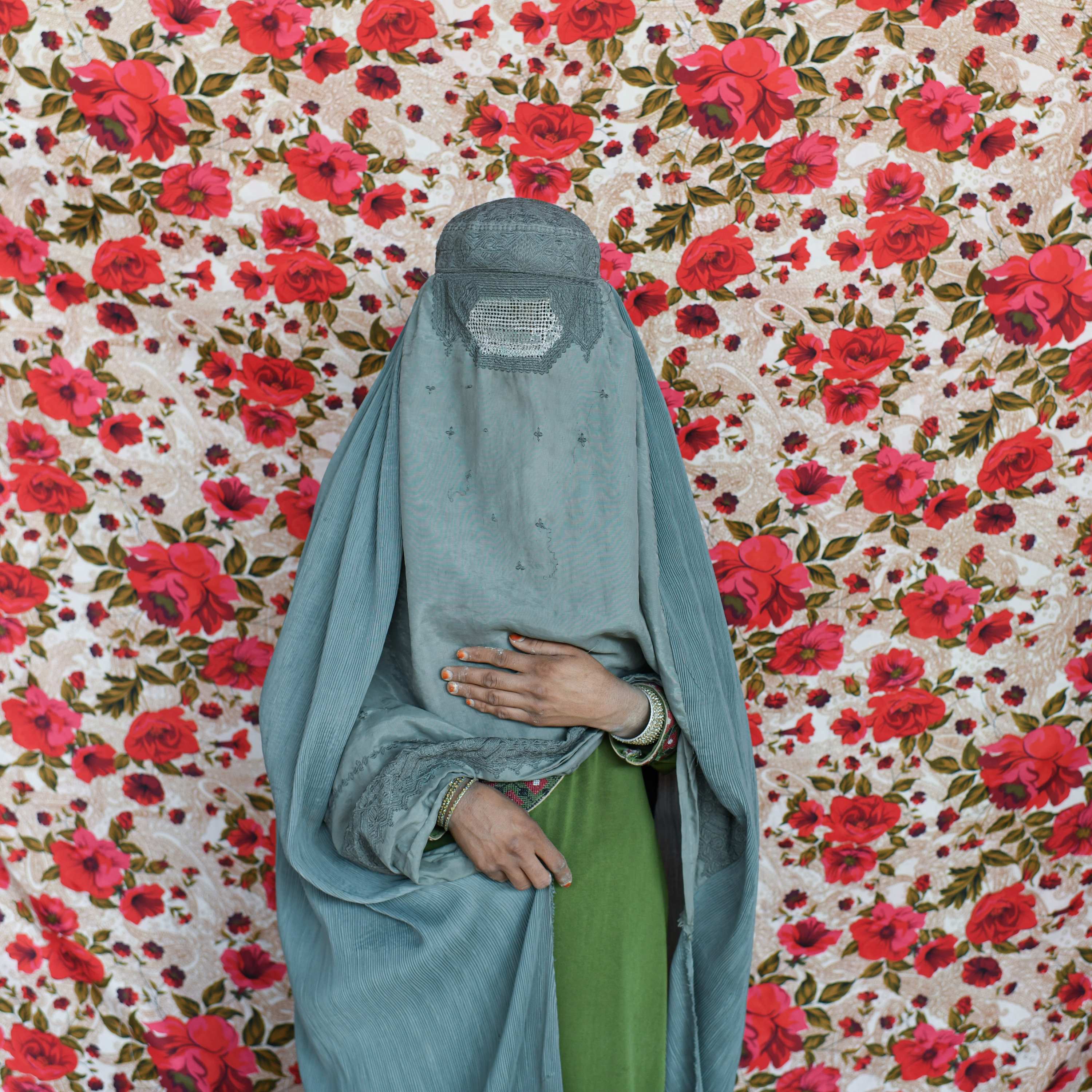
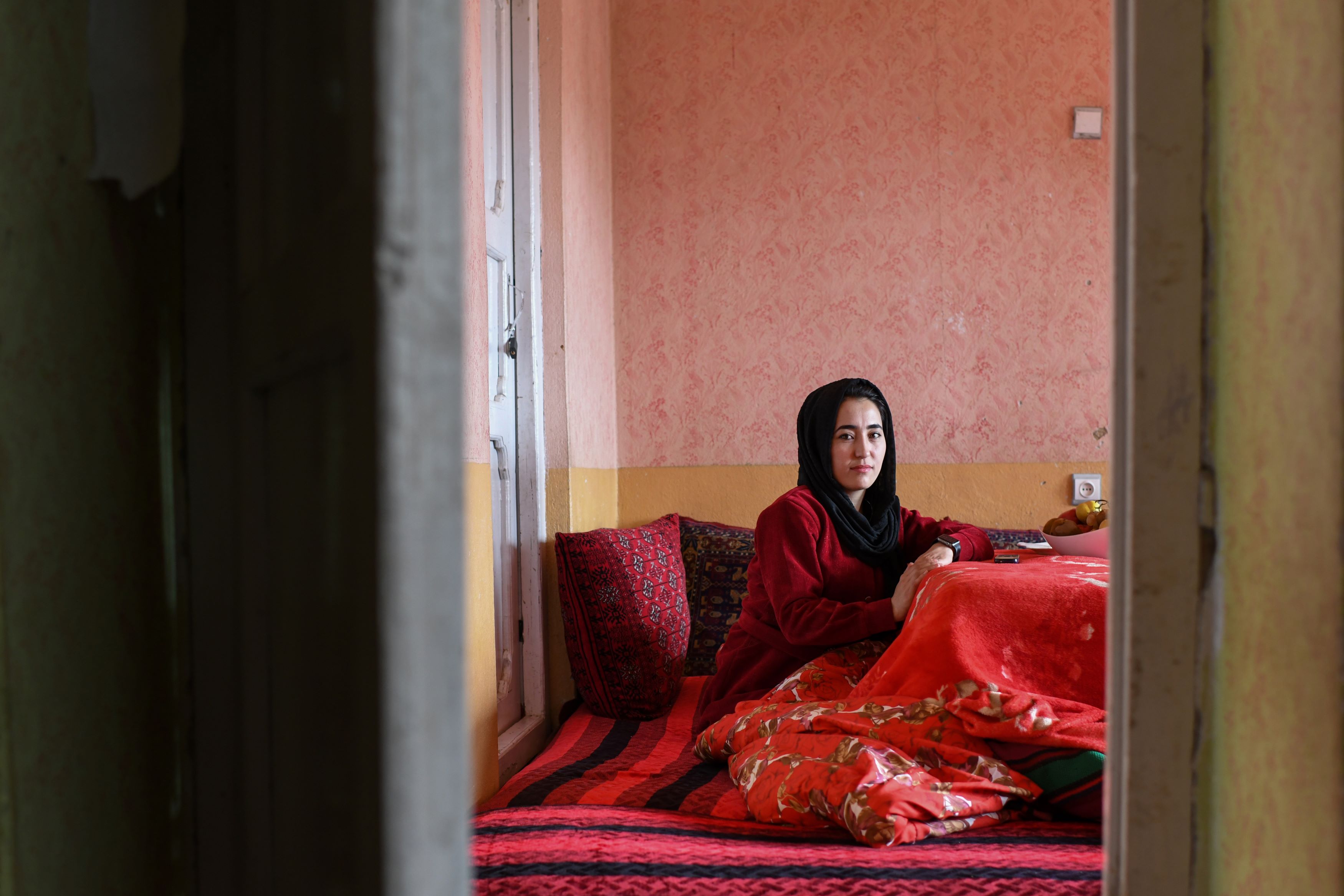
Her solo exhibition includes Prayer of the Yazidis at Ritsumeikan University International Peace Museum (2018); sawasawato at the Warm Festival, Bosnia (2023); In the Ashes, She Blooms – Portraits of Afghan Women at Sony Imaging Gallery (2025). Her works have been included in exhibitions such as 10/10: A Celebration of Contemporary Japanese Women Photographers at KYOTOGRAPHIE (2022); Art Between Japan and Korea since 1945 at Yokohama Museum of Art (2025-2026); Japan Bodies, memories, visions at Magazzino delle Idee, Italy (2026); and Road Movie at National Museum of Modern and Contemporary Art, Korea (2026).
<Artist Statements>
I am truly honored and delighted to receive the New Photographer Award at the Higashikawa Awards.
In the Ashes, She Blooms takes its title from the words of a woman I met in Afghanistan: “For us, growth and freedom are like flowers blooming from the ashes.” As women’s voices, memories, and social presence are quietly rendered invisible, this work seeks to engage with the living traces of women who hold diverse perspectives on life.
It has now been 13 years since I began working on sawasawato, and the project is still ongoing. Through encountering the lives of Japanese women who have spent decades between Japan and the Democratic People’s Republic of Korea, I have continually grappled with the question of whether such lives—so weighty and complex—can ever be contained within a single form.
I have made twelve visits to North Korea so far. Each time, not knowing when I might next see the elderly Japanese women living in a country without diplomatic relations with Japan, the time we shared has been singular and irreplaceable. “If I had lived in that era, under the same circumstances, I too might have been one of them”—this feeling naturally arose as I continued my dialogue with them.
This award feels like encouragement to continue this work patiently and without haste, and it gives me tremendous strength. I offer my heartfelt gratitude.
HAYASHI Noriko